
E-Waste Disposal: Responsible Recycling of Electronics
Americans generate approximately 6.9 million tons of electronic waste annually, yet less than 25% of it gets recycled properly. Your old smartphones, laptops, and televisions contain valuable materials like gold, silver, and copper, but they also harbor toxic substances including lead, mercury, and cadmium. When these devices end up in landfills, those hazardous materials leach into soil and groundwater, creating environmental damage that persists for generations. At Sunny Trash Hauling, we’ve built our reputation on helping individuals and businesses dispose of electronics safely, protecting both your personal information and our shared environment.
The challenge with electronic waste isn’t just environmental. That outdated computer gathering dust in your garage contains years of personal data, financial records, and passwords that could fall into the wrong hands. Professional e-waste disposal addresses both concerns simultaneously, ensuring your information gets destroyed while recoverable materials return to the manufacturing cycle. Understanding the proper disposal process empowers you to make responsible decisions about your unwanted electronics.
Why Traditional Trash Services Can’t Handle Electronics
Your regular curbside pickup wasn’t designed for electronic waste. Garbage trucks compress materials, which can break open batteries and release toxic chemicals during transport. Furthermore, most landfills lack the infrastructure to contain electronic contaminants effectively. The European Environment Agency reports that improper disposal costs communities millions in environmental remediation expenses.
Electronics also contain valuable resources that manufacturers desperately need. A single ton of circuit boards contains more gold than 17 tons of gold ore. When you throw away electronics, you’re essentially discarding finite resources that required significant energy and water to extract initially. Recycling these materials reduces mining demands and lowers the carbon footprint of new device production.
What Happens During Professional Electronics Recycling
Responsible e-waste disposal follows a systematic process that maximizes recovery while minimizing environmental impact. Certified recyclers first sort electronics by type and condition. Devices that still function may be refurbished and donated to schools or nonprofit organizations, extending their useful life. Equipment beyond repair gets carefully dismantled by trained technicians.
The dismantling process separates components into distinct material streams. Precious metals get extracted through specialized recovery processes. Plastics are sorted by resin type for proper recycling. Glass from monitors and televisions undergoes treatment to remove lead before being recycled into new products. Hazardous materials like mercury switches and cadmium batteries receive special handling according to environmental regulations. Throughout this process, hard drives and memory devices get completely destroyed, ensuring your personal data never resurfaces.
Common Electronics That Require Special Disposal
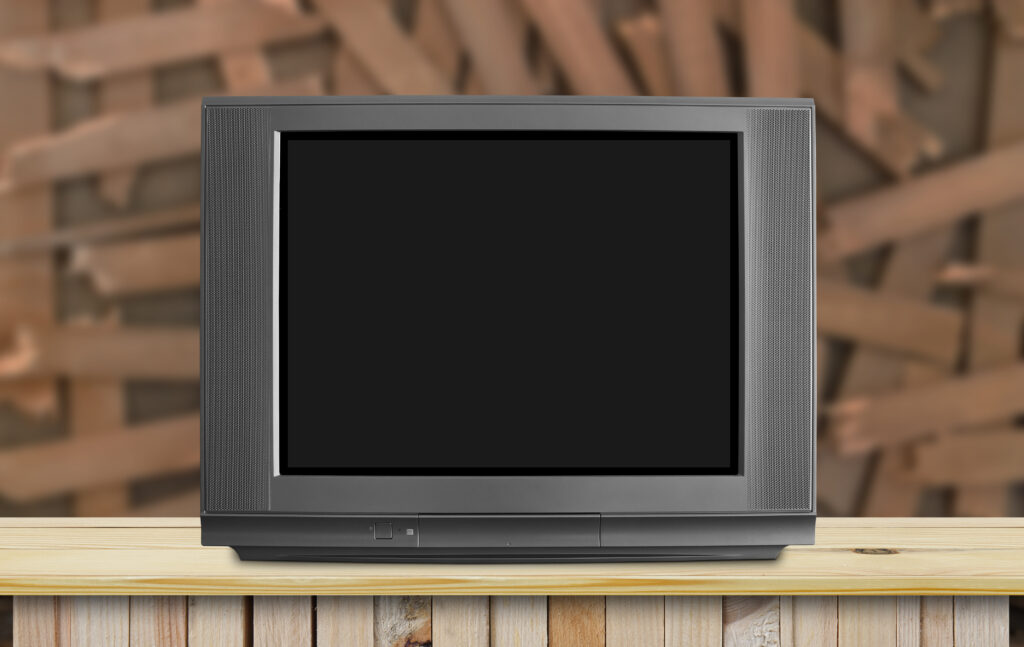
Nearly every electronic device in your home needs specialized handling at end of life. Computers and laptops pose particularly significant data security risks alongside their environmental concerns. Televisions and monitors manufactured before 2007 often contain several pounds of lead in their cathode ray tubes. Cell phones pack surprising amounts of valuable materials into compact packages, making them especially worthwhile to recycle.
Kitchen appliances with electronic components, from microwaves to smart refrigerators, also qualify as e-waste. Printers and copiers contain toxic toner residues that shouldn’t enter regular waste streams. Even smaller items like tablets, e-readers, gaming consoles, and charging cables deserve proper recycling attention. The cumulative impact of these seemingly minor items adds up quickly when you consider that the average household replaces multiple electronic devices annually.
Preparing Your Electronics for Responsible Disposal
Taking a few preparatory steps makes the recycling process smoother and protects your privacy. Back up any data you want to preserve before disposal, then perform a factory reset on devices with storage capabilities. Remove any batteries if possible, as many recyclers handle them separately. Check whether your devices qualify for manufacturer take-back programs, which sometimes offer incentives for returns.
Resist the temptation to dismantle devices yourself. Electronics contain sharp components and potentially harmful substances that require protective equipment to handle safely. Professional recyclers have the training and tools necessary for safe processing. Your role is simply ensuring the device reaches qualified handlers who will manage it responsibly.
Making E-Waste Disposal Part of Your Routine
Responsible electronics recycling doesn’t have to feel overwhelming. Sunny Trash Hauling makes the process straightforward with convenient pickup services and clear pricing. We handle everything from single-item disposal to complete office electronics cleanouts, ensuring every device receives proper treatment. Our certified processes give you peace of mind that your old electronics won’t harm the environment or compromise your security.
The next time you upgrade your technology, remember that proper disposal is the final step in responsible ownership. Contact Sunny Trash Hauling today to schedule your electronics pickup and join the growing number of people choosing environmental responsibility over convenience.