
Storm Cleanup and Yard Waste Removal: What to Do Next
After a fierce storm rolls through or a major landscaping overhaul wraps up, the aftermath can feel just as overwhelming as the project itself. Downed branches, tangled root balls, piles of sod, and heaps of trimmed shrubs have a way of turning a beautiful yard into something that looks more like a salvage lot. Sunny Trash Hauling has spent years helping homeowners and property managers reclaim their outdoor spaces quickly and responsibly, and the team knows firsthand that the right approach to yard waste removal makes all the difference between a yard that bounces back and one that stays cluttered for weeks.
The challenge is not just the volume of material. Yard waste after a storm or large landscaping job is often mixed, heavy, and awkward to move. A single downed oak limb can weigh hundreds of pounds. Soil-heavy sod can tear through standard garbage bags in seconds. What feels like a manageable cleanup on a Saturday morning can stretch into multiple weekends if you are not prepared with the right tools, the right plan, and a clear understanding of where all that material actually needs to go.
Understanding your local disposal options is a critical first step that most people skip entirely. Many municipalities have seasonal yard waste pickup schedules that run on a different calendar than regular trash service. Others require yard debris to be separated by type, meaning brush, logs, and grass clippings may need to be bundled, bagged, or piled in specific ways. Missing these requirements can result in your debris sitting at the curb uncollected for longer than you expected, which creates secondary problems including pest attraction, trip hazards, and neighborhood complaints.
Why Storm Debris Requires a Different Strategy
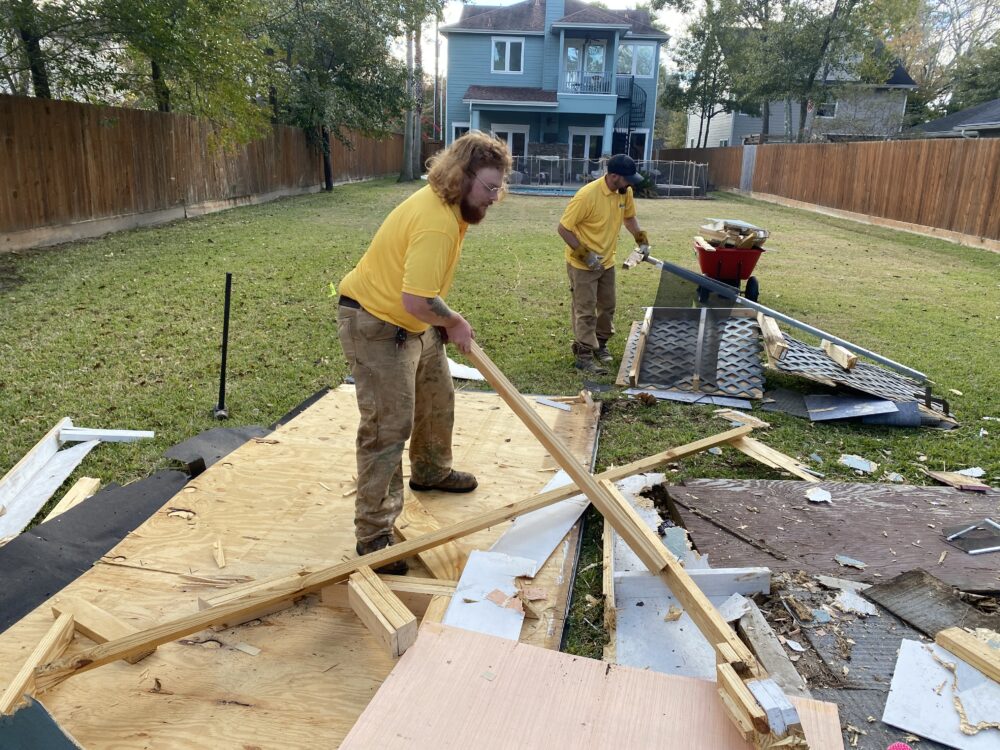
Storm damage introduces complexity that a standard landscaping cleanup does not. When wind, ice, or flooding brings down trees and large branches, the debris often contains hidden hazards. Splintered wood can conceal nails from fencing or decking that was damaged in the same event. Waterlogged material is significantly heavier than dry debris and requires more careful handling to avoid strains and injuries. In some cases, damaged trees may have partially uprooted root systems that remain unstable even after the main trunk has fallen, creating a risk for anyone working nearby without proper awareness.
Timing also matters more after a storm. Leaving large organic debris on a lawn for extended periods promotes mold growth, attracts insects, and can suffocate grass beneath it. Research from the lawn care industry consistently shows that turf damage from debris coverage compounds quickly after the first 48 hours, meaning the faster you clear the material, the better your lawn’s recovery chances. A proactive removal approach is not just about aesthetics. It is genuinely about protecting the investment you have made in your property.
What Happens to Yard Waste After It Leaves Your Property
One aspect of yard waste removal that homeowners rarely think about is the destination of the material. Responsible haulers do not simply redirect yard debris to a general landfill. Brush, branches, and organic landscaping material are excellent candidates for composting and mulch processing, which means the material you clear from your yard can actually re-enter the local ecosystem in a productive way. Grass clippings and leaf matter break down into nutrient-rich compost. Wood chips from chipped branches are used in park trails, playground surfaces, and garden beds throughout communities.
Choosing a hauler who partners with certified composting and green waste processing facilities ensures that your cleanup contributes to something constructive rather than adding to landfill volume. It is a small but meaningful choice, and reputable hauling companies will be transparent about where your material goes when you ask.
Preparing Your Yard Waste for Efficient Removal
The way you stage debris before a hauler arrives has a direct impact on how smoothly the job goes. Grouping similar materials together, placing brush and branches in one area while bagged grass clippings and loose leaves occupy another, allows the crew to work more efficiently and reduces the overall time on site. If you have large logs or root balls, moving them to a single accessible area near your driveway or curb is especially helpful. For post-landscaping cleanups specifically, separating soil and rocks from organic material matters because these items are typically processed differently.
If a storm has left debris scattered across a large property, a rough pass with a rake to gather material into loose piles before your hauler arrives goes a long way. You do not need everything perfectly sorted. Even basic organization shortens the job meaningfully and, in many cases, reduces the overall cost since haulers often charge by time and volume.
Trusting the Right Team With Your Cleanup
Yard waste removal after a storm or landscaping project is not a glamorous task, but it is one that has a genuine impact on your property’s health, safety, and appearance. The right hauling partner brings not just muscle and a truck, but the knowledge to handle mixed debris safely, the relationships with green waste processors to dispose of it responsibly, and the efficiency to get your yard looking like itself again without consuming your entire weekend.
Sunny Trash Hauling is ready to handle the heavy lifting so you can get back to enjoying the outdoor space you have worked hard to maintain. Whether you are dealing with the aftermath of a major storm or the satisfying mess that follows a big landscaping project, reach out today for a straightforward quote and same-week service.